-
Genes to Landscapes
Current ProjectsNAU's Center for Adaptable Western Landscapes advances research spanning genes to landscapes to respond to the ecological challenges facing the American Southwest
-
Solutions-based Research
Current ProjectsSupporting solutions to help communities and natural systems adapt to global change is a focus for NAU's Center for Adaptable Western Landscapes
-
Resilience and Adaptive Capacity
Current ProjectsNAU's Center for Adaptable Western Landscapes promotes robust research and training to assist communities and natural systems adapt to global change
Fire regimes are changing in the Sonoran Desert, primarily owing to the presence of non-native invasive grasses. Local land managers and scientists, including CAWL’s Clare Aslan, share their concerns about the future of the Sonoran Desert ecosystem as well as research questions that need to be answered.
Latest Center for Adaptable Western Landscapes News
-
Flinn-Brown Fellow Clare Aslan a leader in sustainability research at NAU
10 Nov 2023 -
Plant ecologist awarded NSF grant for restoring the culturally important Emory oak
7 Dec 2022 -
The ‘skin of our planet’ is in danger:Here’s how scientists are trying to save it
30 Nov 2022 -
NAU Flagstaff receives its first Hispanic Serving Institution grant: Meet the two women who made it happen
30 Nov 2022
Featured Programs
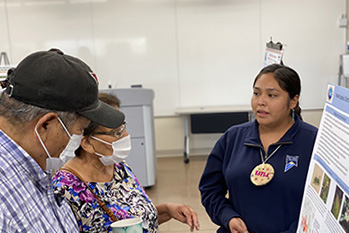
Research and Mentoring for Postbaccalaureates
The RaMP program seeks to address climate vulnerability through research training for and by diverse communities.
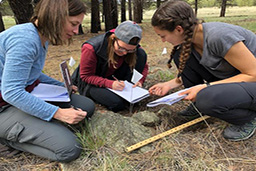
Research Experiences for Undergraduates
The REU program is an intensive 10-week summer experience designed to introduce students to the world of scientific research.
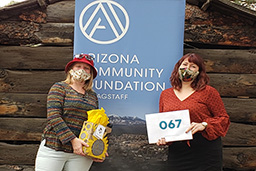
Restoration Partnership for STEM Success
Engaging high school students in STEM through hands-on learning, field trips, and opportunities to restore wildlife habitat.